Sourcing Quality Pistachio Seeds
Identifying Viable Raw Seeds vs. Roasted Nuts
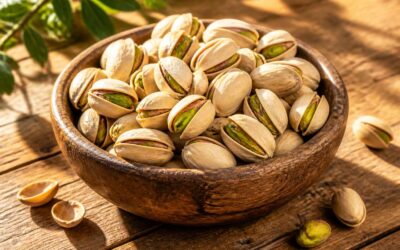
Nearly 90% of failed pistachio projects trace back to a simple error: planting cooked nuts. The difference between a viable embryo and a snack is a matter of processing. Raw seeds retain their biological integrity, while roasted versions undergo high heat that denatures proteins and kills the plant’s capacity to germinate. You can often spot the distinction by the shell’s appearance. Roasted nuts frequently display a brownish hue or a faint oily sheen, whereas raw seeds look matte and feel heavier for their size.
When sourcing your supply, demand the cultivar’s pedigree. Purchasing from a bulk food importer almost guarantees a mix of varieties that might not suit South Africa’s specific climatic zones. For a home garden, you need a proven lineage. I always recommend asking for a phytosanitary certificate to ensure the seeds have not been irradiated, a common practice for agricultural quarantine that also sterilizes the embryo.
Reputable online greengrocers and specialist seed banks are your best bet for obtaining the 10 pistachio nut tree seeds for planting. This kit should arrive with intact, unblemished kernels. Inspect each seed for a slight crack in the suture; this natural split is normal. Discard any that are shriveled or exhibit a powdery residue. A quick float test in water, though not foolproof, helps eliminate hollow shells that lack a viable kernel. The weight of the seed is your primary assurance that life still resides within.
Selecting the Right Cultivar for Your Climate
Securing a reliable source for your 10 pistachio nut tree seeds for planting is the first step toward a thriving orchard. Specialist seed banks and registered nurseries in South Africa offer certified stock with documented lineage. Avoid bulk food importers that cannot verify cultivar history or storage conditions. Ask for germination test results and a phytosanitary certificate to confirm the seeds have not undergone irradiation.
Selecting the right cultivar for your specific climate is equally critical. Pistachios demand a distinct winter chill and long, hot summers! For the Western Cape, consider varieties with low chill hour requirements. In the drier Karoo regions, drought tolerance becomes paramount. A quick evaluation of your microclimate will guide your choice:
- Average winter temperatures below 7°C
- Summer heat accumulation over 3000 hours
- Wind exposure and soil drainage
Matching the cultivar to these conditions ensures that your 10 pistachio nut tree seeds for planting develop into resilient, productive trees.
Understanding Seed Dormancy and Coat Hardness
Only a handful of pistachio seeds in a thousand germinate unaided in the wild, a sobering statistic for anyone preparing to commit to 10 pistachio nut tree seeds for planting.
The source of your seeds dictates their fate. A reputable South African nursery documents harvest dates and storage regimes. Vendors who cannot confirm whether seeds were refrigerated after collection deserve your suspicion. Look for a dull, matte endocarp, an even weight, and no hairline fractures.
– Harvest certificates confirming the season of collection
– Storage logs showing humidity maintained below 40%
– Cold storage records from collection to sale
Yet even flawless sourcing cannot bypass seed dormancy. Pistachio embryos rest quiescent inside a woody endocarp. That coat hardness evolved to withstand droughts and wildfires, making it a survival protocol rather than a defect.
Stratification is the unlock. Moist chilling at 2 to 5°C for six to eight weeks breaks the embryo’s slumber. Without this cold period, your carefully sourced seeds will remain inert in the soil, waiting for conditions that may never arrive.
Where to Purchase Pistachio Seeds from Reliable Suppliers
Those who seek 10 pistachio nut tree seeds for planting often find themselves wandering through a marketplace of illusions. Online sellers offer vibrant packets with zero provenance. The genuine article arrives from registered nurseries, and in South Africa, these are few but formidable. A nursery that belongs to the South African Nursery Association provides a paper trail you can follow. Their records extend beyond a single harvest date, tracing each seed from orchard floor to dispatch.
Reliable suppliers hand over harvest certificates and storage logs. They document humidity levels below 40% from collection to sale. They answer questions about cold storage without hesitation. The moment a vendor deflects, you have your answer. That dull matte endocarp, that even weight, those are marks of careful handling. But the real test lies in the supplier’s willingness to show their history. Seed merchants with nothing to hide hide nothing at all.
Preparing Seeds for Germination
Cold Stratification Techniques for Breaking Dormancy
A frequent reason pistachio seeds fail to sprout is a missing cold period. For anyone tending 10 pistachio nut tree seeds for planting, this oversight can waste an entire season.
In South Africa, where winter temperatures may not dip low enough, a fridge substitutes for nature. Pistachio kernels need a chilling period of 1 to 4 degrees Celsius for six to eight weeks. I use a ziplock bag filled with damp perlite. Every ten days I open the bag for fresh air and check for mould.
The sequence looks like this:
- Soak fresh seeds for 24 hours in lukewarm water.
- Mix them into perlite or vermiculite that is moist, not dripping.
- Seal the bag and refrigerate at the correct temperature.
- Inspect weekly and discard any seed that turns soft or fuzzy.
After eight weeks the seed coat softens. Plant immediately, and these seeds will push through with surprising vigour!
Scarification Methods That Improve Water Uptake
Humans have cracked harder shells than this, but your 10 pistachio nut tree seeds for planting are not about to make things easy. The seed coat, a formidable layer of lignified cells, is built to resist water. Nature designed it for survival, not for your garden. You must break that physical barrier. Scarification is the act of deliberately weakening that armor, forcing a pathway for moisture.
The most reliable method for a home grower is mechanical abrasion. I use a simple nail file or a piece of medium-grit sandpaper. The goal is to nick the seed coat at the point furthest from the embryo, which is usually the pointed end. You are looking to expose the pale inner layer, not crush the kernel. A single, firm stroke, repeated in the same spot, works to penetrate the glossy surface.
This specific process should be done with a steady hand:
1. Lay the seed flat on a stable surface so it cannot roll.
2. Apply pressure with the file, working in one direction until the brown outer layer shows a lighter patch.
3. Stop immediately upon reaching the creamy white interior; you do not want to damage the stored energy inside.
After filing, place the seeds in a glass of tepid water for twelve hours. Seeds that float are often hollow, while those that sink have absorbed critical moisture. This water uptake triggers the enzymatic processes that will eventually split the coat. Skip this step, and you risk another season of silent, dead seeds in the soil. The patience required here is not passive. It is an active intervention, a small violence done in service of a future harvest.
Soaking and Pre-Sprouting Strategies
In the Karoo, where summer heat makes patience a virtue, I have seen growers use a trick that turns passive waiting into deliberate action. After scarification, soaking your 10 pistachio nut tree seeds for planting bridges the gap between dormancy and life. A simple bowl of rainwater, changed daily, softens the inner membranes. Twelve hours is enough; longer invites rot. The water must be cool, never warm, to avoid shocking the embryo into premature growth.
Some prefer a weak chamomile tea solution to discourage fungal attack. The process remains the same. Place the seeds in a single layer, weigh them down with a saucer, and wait for the first sign of a root tip.
Pre-sprouting takes this further. Wrap the hydrated seeds in a damp cloth, seal them in a glass jar, and keep them in a warm cupboard. Check every morning for moisture and air exchange.
1. Unwrap and inspect the seeds daily.
2. Remove any that show a white radicle.
3. Plant those immediately, as the root is fragile.
This method offers a head start of nearly two weeks. The 10 pistachio nut tree seeds for planting that germinate in cloth are the strongest of your batch. They carry the genetic grit to survive a South African winter and the dry spring that follows.
Avoiding Mold and Rot During Preparation
The battle against mold is fought with air, not water. After hydration, the 10 pistachio nut tree seeds for planting become vulnerable. The thin membrane that softens for germination is also a point of entry for spores. I have lost batches to a single afternoon of trapped humidity.
Spread them on a wire rack, not a bowl. Let the surface breathe. A touch of cinnamon powder is an old trick, but it clouds the process. Instead, inspect daily!
- Sunken dark spots signal rot.
- A fuzzy halo around the seed coat means fungal overgrowth.
- A sour smell is the first alarm.
Discard those immediately. Keep the rest separated. The Karoo air is dry, which is a gift, but a closed plastic bag will betray your 10 pistachio nut tree seeds for planting. Use a paper envelope or a breathable canvas pouch for storage between stages. Trust the dry air to do its stubborn work.
Timing Your Seed Preparation for Spring Planting
Spring in South Africa arrives at different times across the provinces. In the Western Cape, the first warmth touches the soil in late August. In the Free State, it arrives a month later. Your 10 pistachio nut tree seeds for planting need a fixed anchor point. That anchor is the last frost date for your specific region.
Work backwards from that date. Cold stratification demands eight to ten weeks of consistent cold. Scarification and soaking add another four to five days. So start in early July if you plan to plant in September. The arithmetic is unforgiving. A delay of one week shifts the entire preparation schedule.
The calendar is only half the equation. Soil temperature must hold near 15 degrees Celsius before the seeds go into the ground. A soil thermometer measures the truth. When those 10 pistachio nut tree seeds for planting have completed their cold phase and the ground is warm, the timing is correct. Plant them within two days of that window.
Planting Pistachio Seeds for Strong Roots
Choosing the Correct Pot Size and Planting Depth
A taproot can plunge over three metres into the earth, so your choice of pot defines the tree’s structure for years to come. For 10 pistachio nut tree seeds for planting, select tall nursery pots rather than wide ones. Depth matters more than diameter, because a cramped taproot coils into a spiral that stunts the tree later!
A 25 cm pot lets the radicle stretch downward without obstruction. Fill it with sandy loam, then press each seed one to two centimetres deep. This planting depth keeps the seed warm while still allowing oxygen to reach it.
Here is the sequence I follow:
- Moisten the soil before planting
- Place the seed horizontally
- Firm the soil gently without compacting it
Water once, then let the top layer dry out before watering again. Strong roots begin with these choices.
Building a Well-Draining Soil Mix with the Right pH
Healthy pistachio roots demand a soil that drains fast and stays loose. A heavy clay mix holds water against the taproot, which invites fungal rot. I never risk that.
For 10 pistachio nut tree seeds for planting, the ideal blend combines these components:
- three parts sandy loam
- one part perlite
- one part well-aged compost
This ratio keeps the mix airy while retaining just enough moisture.
The pH matters deeply. Pistachios prefer alkaline conditions, between 7.1 and 8.0. Most garden soil falls short. Dolomitic lime raises the pH and supplies magnesium; add it before planting, not after.
When you fill the pot, do not compact the layers. Water settles the soil naturally. A loose, gritty texture lets oxygen reach the radicle and frees root growth for the first crucial season.
Spacing Multiple Seeds for Future Growth
Those 10 pistachio nut tree seeds for planting deserve room to stretch. Cramming them together creates a tangle of competing taproots, and nobody wins that fight. Space each seed five centimeters from its neighbor in a nursery bed. Rows need thirty centimeters between them for air and weeding access.
I prefer planting two seeds per spot, then culling the weaker sprout. This backup method keeps your growing space full. If both survive, you can transplant one elsewhere. Follow these spacing steps:
- Mark the row with a stick.
- Place seeds at five centimeter intervals.
- Water gently after covering.
After planting, resist the urge to poke around. Roots need quiet to establish. Give them that, and strong growth follows.
Watering Practices for Newly Planted Seeds
The secret to robust taproots lies in disciplined watering. For those 10 pistachio nut tree seeds for planting, the first fortnight after sowing dictates everything. I water deeply but infrequently, allowing the upper soil to dry slightly between sessions. This forces roots to chase moisture downward.
Overwatering invites damping off. Underwatering leaves seedlings brittle. Use a finger test: if the soil clings at two centimeters depth, wait another day. My routine follows a simple rhythm.
- Day one: gentle soaking until water seeps from drainage.
- Days three to seven: mist the surface twice daily.
- After week two: reduce to once every three days.
Adjust for heatwaves and humidity. Listen to your soil, not the calendar!
Providing the Ideal Temperature and Sunlight Exposure
Pistachio roots wait for the right warmth. Cold soil invites rot, and a weak taproot spells failure. In South Africa’s Highveld, I watch the soil thermometer until it reads 20°C at a depth of five centimeters. Only then do I sow those 10 pistachio nut tree seeds for planting. The chill of late September is deceptive; the earth may still be cold below the surface.
Sun exposure builds the root structure. Place the pots where they receive six hours of morning sunlight. The afternoon heat on the Highveld can damage shallow roots. I move my trays under a 40% shade net after noon. The leaves stay green, the stems stay thick, and the roots dig deeper each day.
This is not advice for the impatient. A tree that survives decades requires this early discipline.
Caring for Young Pistachio Trees
Monitoring Germination Progress and Expected Timelines
Once your 10 pistachio nut tree seeds for planting have broken through the soil surface, the real work shifts to observation. Young pistachio trees announce their health through leaf colour and stem firmness rather than dramatic height gains. The first true leaves usually appear within three to four weeks after emergence, while the root system builds unseen below ground.
Germination progress is rarely uniform, and that is perfectly normal. Some seedlings will push ahead while others hesitate, particularly when cool highveld nights interrupt their rhythm. Watch for cotyledons yellowing at the edges, which often signals moisture stress rather than disease.
- Check soil moisture twice daily during the first fortnight
- Look for stem elongation between the first and second leaf pairs
- Note sudden leaf drop, which usually points to root disturbance
Steady growth typically appears by week six. If your 10 pistachio nut tree seeds for planting lag beyond week eight, examine drainage before reaching for fertiliser. Slow seedlings usually trace back to compacted soil, not hunger.
Fertilizing Seedlings Without Causing Root Burn
Fertilising a seedling feels like an act of faith, but restraint is the truer virtue. The ghostly pale roots of your 10 pistachio nut tree seeds for planting have not yet learned to drink deeply. They sip. They hesitate. To flood them with synthetic nourishment now is to invite a chemical burn that will scar them long before they ever bear fruit.
The young pistachio is a creature of lean soils, evolved for the stingy earth of its ancient range. Its roots whisper for trace minerals, not excess. When the second true leaf pair unfurls, a quarter-strength solution of a balanced feed, applied only to damp soil, offers enough encouragement without overwhelming the tender root hairs. The foliage will tell you what the roots cannot. A deep, unbroken green signals contentment. Any browning at the leaf tips is a confession of overzealous care.
Organic matter, worked into the topsoil at planting, provides a slow, patient banquet. It releases nitrogen on the tree’s own schedule, not yours. The roots of your 10 pistachio nut tree seeds for planting will seek it out as they grow downward, finding pockets of nourishment that do not scorch. This is the quiet alchemy of decomposition, a cycle that rewards the patient gardener who understands that growth is a drawn out affair, not a sudden burst of light.
Pruning and Shaping for a Strong Framework
The young pistachio tree needs little in its first year beyond patience. Pruning begins when the stem reaches pencil thickness, around the third season, though the vigour of your rootstock changes the timing. The goal is not beauty. It is structural honesty.
Begin by removing branches that form narrow crotch angles. These weak forks will split under heavy crops. Remove low shoots emerging below the graft union; they steal energy from the main canopy. Keep a central leader dominant, with four to five well spaced lateral branches forming the scaffold.
Look for balance in three dimensions, not two. A mature pistachio canopy should admit dappled light to its centre, encouraging fruiting wood close to the trunk. Heavy cuts in the first two years delay production. Light, frequent snipping is safer. The 10 pistachio nut tree seeds for planting will grow trees with individual habits, so judge each one on its own.
Hardening Off Seedlings Before Outdoor Transplanting
Hardening off is a gradual introduction. The 10 pistachio nut tree seeds for planting that sprouted indoors have known only stable warmth and controlled light. Transferring them straight into a garden bed will stall their growth. Shade and shelter matter more than sun in the first week.
Follow a simple schedule:
- Days 1 to 3: two hours in morning shade.
- Days 4 to 7: four hours including gentle morning sun.
- Days 8 to 14: full daylight with afternoon shade.
Watch for leaf scorch or curling under the South African sun, especially at highveld altitudes. When a seedling tolerates a complete day outside, transplant it late in the afternoon and firm the soil gently.
Transplanting Seedlings into Larger Containers or Ground
Once your 10 pistachio nut tree seeds for planting have passed the hardening off stage, transplanting becomes the critical threshold. In the ground, a deep hole allows the taproot to stretch. In a container, choose a pot at least 45 cm deep to prevent root circling. The first month after transplanting demands vigilance.
Young pistachio trees respond poorly to erratic moisture. Water deeply when the top 5 cm of soil dries out. Container trees need more frequent checks than ground trees. South African highveld conditions call for afternoon shade during the first summer.
A tree that drops leaves or shows brown tips is signalling stress. Leaf drop and brown tips indicate a need for adjusted watering and temporary shade. Less disturbance of the root ball speeds establishment. Successful seedlings move from delicate to durable within a single growing season.
Troubleshooting Common Growth Problems
Preventing Damping Off Disease in Seedlings
Damping off destroys roughly 25% of germinated seedlings in home growing setups. Your 10 pistachio nut tree seeds for planting face this fungal threat once germination begins. The infection rots stems at the soil line, causing sudden collapse.
Look for wilting despite moist soil, brown or black lesions with a watery appearance, or a thin, pinched stem base. Prevention starts with sterile potting mix and a disciplined watering routine. Overwatering creates the damp conditions fungi crave.
- Keep the topsoil surface slightly dry between waterings.
- Use bottom heat to warm roots, not overhead moisture.
- Remove crowded seedlings to lower humidity around the stem.
Act fast if symptoms appear. Remove infected plants, then treat survivors with a diluted hydrogen peroxide solution. Reduce watering immediately, because damping off spreads quickly once established.
Managing Pests That Attack Young Pistachio Plants
Your 10 pistachio nut tree seeds for planting will sprout, but the real test begins when leaves appear. Corky brown spots on leaf undersides indicate edema, a condition where roots take up water faster than leaves can release it. Leaf margins that crisp and brown? That is scorch from intense South African sun. I have watched entire trays suffer because the afternoon glare hit bare pots. Move seedlings to filtered light.
Pests wait for weakness. Spider mites thrive in dry indoor air, spinning fine webs between new growth. Aphids cluster on tender shoot tips. Both multiply fast.
- Spider mites: raise humidity and rinse leaves with lukewarm water
- Aphids: wipe stems with a soft cloth dipped in soapy water
Identifying and Correcting Nutrient Deficiencies
Yellowing between the leaf veins on your 10 pistachio nut tree seeds for planting often signals magnesium deficiency, common in sandy South African soils. Older leaves show it first. Nitrogen deficiency presents as uniform pallor across the entire leaf, starting from the bottom of the plant. Iron deficiency, by contrast, strikes new growth, leaving stark yellow tissue against green veins.
I test soil before adding anything. Guessing leads to overcorrection. A balanced fertilizer at half strength addresses most cases, but only after pH is confirmed around 7.0 to 7.5. Alkaline soil locks up micronutrients regardless of feeding.
- Pale older leaves: nitrogen
- Yellow between veins: magnesium
- Yellow new leaves with green veins: iron
Correct the pH first, then feed!
Adjusting Watering to Avoid Stress and Root Rot
Watering your 10 pistachio nut tree seeds for planting is a balancing act. Too much water suffocates roots and invites root rot. Too little water triggers stress, which makes seedlings vulnerable to pests. I have learned to trust the soil, not the calendar!
Common symptoms reveal the problem:
- Yellowing lower leaves with soggy soil: overwatered
- Leaf curl on hot afternoons: underwatered
- White mold on the surface: poor drainage
Root rot often appears without warning. Stress from uneven moisture stunts growth and weakens the plant. Consistent moisture levels prevent most of these issues.
Addressing Weak or Leggy Seedlings with Better Light
Weak, leggy seedlings from your 10 pistachio nut tree seeds for planting indicate a light deficit. Stems elongate to reach distant luminance, sacrificing girth and stability. This etiolation pattern appears often in South African homes where winter windowsill light stays weak for months.
Correct the problem by shifting light sources closer and extending exposure time:
- Position fluorescent tubes 10 to 15 centimetres above the tallest leaf
- Run a 16 hour photoperiod with a mechanical timer
- Reflect light upward with white cardboard or foil surrounds
Monitor the new stem growth emerging within a week. Thicker diameters and shorter internodal gaps signal recovery. Keep the remaining seedlings under the same regime until they develop a sturdy central trunk.
Setting Expectations for Future Yield
How Long Until Pistachio Trees Bear Nuts
Growing pistachios is a lesson in delayed gratification. When you plant 10 pistachio nut tree seeds for planting, the first green shoots appear within weeks, but the first harvest belongs to a distant calendar. Most seedling trees need five to seven years before their inaugural crop. Some wait longer. Yield builds gradually, and I have watched growers grow impatient around year three! Consider the typical progression:
- Years one to three: vegetative growth only, no flowers.
- Years four to five: a few small clusters, often fewer than twenty nuts.
- Years six to eight: steady production approaching a kilogram per tree.
- Years nine and beyond: full bearing potential, dependent on pollination.
A single pistachio tree cannot do this alone. Female trees require a nearby male pollinator, so plant at least one male for every eight females. For the home grower using seed, sex cannot be determined until flowering begins, meaning extra patience is built into the process.
Understanding Grafting vs. Growing from Seed
Patience is only half the equation. When you start with 10 pistachio nut tree seeds for planting, you also accept genetic uncertainty. Seedlings are not clones of the parent tree. Their nuts may differ in size, flavor, and oil content. Yield varies from tree to tree even under identical care.
Grafting solves that problem. A grafted tree uses scion wood from a proven cultivar, so you know what to expect. Those trees often bear earlier and more consistently. Grafted trees cost more and demand precision.
Seed-grown trees offer something else. They are a risk, but a rewarding one. You might get a tree with superior local adaptation. You might also get a heavy producer or a stubborn one that never thrives. Set realistic yield expectations:
- Know that each seedling is genetically unique.
- Expect variability in nut quality and production.
- Accept that some trees will outperform others.
Provide good care and let time sort the rest.
Monitoring Growth Milestones in the First Year
When you commit to 10 pistachio nut tree seeds for planting, the first year reveals more than you might expect. Each seedling moves at its own pace, so I find it helpful to track growth milestones rather than comparing siblings. Note when the first true leaves appear, when stem lignification starts, and how root development responds to watering adjustments.
Yield expectations remain distant, but early signals matter. Watch for uniform leaf colour and steady internode spacing. A seedling that stalls for weeks may simply be building roots, not failing.
- Record emergence dates for each seed
- Measure height every two weeks
- Observe leaf shape and colour shifts
These observations set a baseline for future production, even if the nuts themselves take years to appear.
Planning for Long-Term Care and Winter Protection
Pistachio trees do not reward impatience. Those 10 pistachio nut tree seeds for planting will take five to seven years before significant production. Full bearing may require a decade. Expect a first harvest that fills a small bowl, not a market crate. Yield builds gradually as the canopy expands, and early output rarely reflects the tree’s eventual potential.
Long-term care starts with site planning. Consider root space, irrigation access, and frost pockets before you plant. Young trees need winter protection in colder regions like the Free State or Karoo highlands. Wrap trunks or use windbreaks to guard against freeze damage. When planning for winter and long-term growth, remember:
- Young trees are most vulnerable in their first two winters.
- Mulch insulates roots against sudden temperature swings.
- Strategic shelter reduces wind desiccation.

0 Comments