Why In-Shell Pistachios Deserve a Spot in Your Pantry
The Health Benefits of the Whole Snack
There is a peculiar patience in cracking a pistachio nut with shell. The seam holds firm, then surrenders. The kernel emerges intact. In South African homes, this small ritual slows the act of eating. You do not inhale. You attend. The whole snack keeps what the shelled version discards. Discipline comes from the hand, not the mouth.
Consider the quiet virtues of the entire nut.
- The fibre that steadies digestion.
- The potassium that eases blood pressure.
- The vitamin B6 that settles the nerves.
- The protein that dulls appetite.
Cracking the shell becomes a portion counter. Each small victory marks one serving. The ritual ends when your hands tire, not when the bowl empties. The pause between kernels is the health benefit no supplement can replicate. The pistachio nut with shell asks for nothing more than your attention.
Natural Packaging: The Shell’s Protective Role
Most snacks arrive stripped of their packaging, but the pistachio nut with shell keeps its own. That casing is not mere decoration. It protects the kernel from oxygen, light, and the humidity that plagues South African kitchens. The shell also absorbs the bumps of transit, so the nut inside stays whole. I have found that in-shell pistachios remain fresher longer than their shelled counterparts when stored properly.
The shell is also a barrier against contamination. It keeps dust, oils from other hands, and airborne particles away from the edible part. The aroma stays sealed until the moment you crack it.
What the shell provides:
- Protection from oxidation
- A barrier against moisture
- Preservation of the natural oils
The result is a nut that retains its original character.
How Shell-On Pistachios Enhance the Eating Experience
The pistachio nut with shell commands space in your cupboard. It stacks loosely, rolls around, and clatters against a glass jar. That physical presence is a benefit. Shelled kernels compress into a dense, forgettable pile.
The eating experience changes entirely with the shell intact. Your fingers work for the split. You listen for the crack. You feel the salt on your fingertips before the kernel even touches your tongue. It is an active process, not a passive handful.
- It paces your consumption naturally.
- It creates a shared ritual around a table.
- It makes a single cup feel like a feast.
Forget the shelled versions. The pistachio nut with shell alters the tempo of a Durban afternoon, preventing the bag from vanishing before sundown.
A Complete Guide to Cracking Pistachios Open
Using Another Shell as Your Handy Cracking Tool
The tight mouth, as we called it in the Karoo. That pistachio nut with shell that sat in your palm, refusing to give up its kernel. The remedy never required force, only another shell. Slip the edge of an empty half into the slit of the closed nut, twist gently, and the seam opens without crushed fingers.
The method works because the natural gap of one hull matches the lip of another. My grandmother saved the widest halves for this exact job. When you buy a pistachio nut with shell, keep the cracked pieces instead of discarding them.
- Choose a nut with a visible seam.
- Insert the shell tip at the narrow end.
- Turn slowly until you hear the crack.
The same action works on the toughest batches. Thumbs stay sore-free, and every kernel stays whole.
Common Cracking Mistakes That Damage the Kernel
Cracking a pistachio nut with shell should be a gentle turn, not a furious squeeze. The most common mistake is pressing the whole shell between your thumbs, which transfers force directly onto the kernel. Another error is twisting the wide end, where the seam is barely visible. That approach splits the shell but crushes the meat.
- Gripping too hard across the seam.
- Using teeth to pry apart a closed shell.
- Forcing a nutcracker on an already open slit.
Every pistachio opens best along its natural crack. Align your pressure with that line. Let the halves separate gradually. When you rush, you sacrifice the kernel.
Handy Tools and Gadgets for Stubborn Shells
Some shells refuse to yield to hand pressure. When a pistachio nut with shell sits stubbornly closed, a dedicated tool can save the kernel from ruin. A pair of locking pliers offers precise control, but you must position the jaws along the seam, not across the middle.
- Use a garlic press for narrow grips
- Try a waiter’s corkscrew as a lever
- Reach for a specialist pistachio cracker with a curved slot
Each gadget targets the natural split without crushing the meat. For a shell that resists gentle twists, place it upright on a hard surface and tap the top with the flat side of a knife. The shock opens the seam cleanly. Slow work and careful orientation check prevent damage before any tool is applied.
How to Choose, Store, and Preserve In-Shell Pistachios
Reading the Label: Raw vs. Roasted In-Shell Varieties
A pistachio nut with shell demands a specific kind of attention. Choose bags where the seams show a slight, natural opening. Press the shell between thumb and finger; a fresh nut resists. Avoid dusty or stained shells, which indicate age.
For storage, oxygen causes rancidity. Move the nuts to an airtight jar. Keep the jar in a dark cupboard, away from heat. Here is what to check:
- Smell the seam: it should be sweet, not sour.
- Shake the shell near your ear; silence means a full kernel.
Roasted in-shell varieties have a distinct aroma, but raw ones preserve better. I store mine in the pantry, never the fridge. The shell itself maintains the nut’s integrity.
The Telltale Signs of Fresh, High-Quality Nuts
Roughly one in five in-shell pistachios is cracked open and found hollow, a disappointment measured in wasted effort. You can avoid this by inspecting the shell before you break it.
A fresh pistachio nut with shell shows a pale, uniform bone colour. A greenish or yellowish cast suggests premature harvest. The seam should gape slightly, but not so wide that the kernel shifts when shaken. The surface should feel dry and chalky, never slick or tacky.
Weight provides another clue. Hold two bags of equal volume. The heavier one contains a pistachio nut with shell with denser, fuller kernels. Lightness signals shrivelled contents. Inspect the bottom of the bag for shell fragments; excessive debris means rough handling.
- Uniform shell colour without blotches
- A clean, narrow seam opening
- A dry, chalky surface texture
- Weight proportionate to volume
Proper Storage Methods to Lock in Freshness
The pistachio nut with shell continues to change after you bring it home. The kernel exchanges moisture with surrounding air, and warmth accelerates that process, turning plump meat rubbery. I keep mine in the pantry for short stretches. For anything beyond a week, the refrigerator performs better.
The container matters as much as the temperature.
- An unopened retail bag works only while the seal holds
- Glass jars outperform plastic for long term storage
- The shell offers protection, but not against humidity
Freezing buys you months, provided you thaw without opening the lid. Condensation forms on cold kernels and ruins their texture quickly.
How to Tell If Your Pistachios Have Gone Rancid
A rancid kernel betrays itself with a bitter, acrid note that no amount of roasting can mask. When selecting a pistachio nut with shell, heft the bag against your palm. A fresh batch carries a compact, dense weight, while a stale one feels hollow and airy.
Storage demands vigilance. The oils within a pistachio nut with shell are delicate, and exposure to light or warmth accelerates their breakdown. I keep my sealed jars in the coolest part of the kitchen, away from the stove’s radiant heat.
How do you know when it’s gone? The shell may look pristine, but the kernel tells the truth:
- Sniff for a sharp, solvent-like odor.
- Press the kernel; it should yield, not crumble.
- Taste a single piece; if bitterness lingers, discard the lot.
Rancidity is irreversible! Your nose and palate are the final arbiters.
Freezing Shelled and Unshelled Pistachios for Long-Term Use
An entire bag of pistachio nut with shell is a commitment. When I buy one, I look for a consistent split along each seam, a sign the kernel has matured properly. I also press a few shells between my fingers. A healthy nut resists pressure; a brittle shell suggests age.
Given how quickly warmth affects the delicate oils, freezing is my preferred approach. I portion my pistachio nut with shell into smaller freezer bags, pressing out every pocket of air. This works whether the nuts are still shell-on or already shelled. The shell is a natural moisture barrier, but double-bagging adds extra protection against freezer burn.
- Freeze unshelled nuts in a single layer for even chilling
- Store shelled kernels with a folded paper towel to absorb stray moisture
- Label each bag with the date before sealing
Thaw portions in the refrigerator overnight. The texture stays crisp, and the oils remain stable for up to a year.
Creative and Practical Uses for Pistachio Shells
Gardening Applications: Mulch, Drainage, and Compost
The shells from your pistachio nut with shell habit are garden assets. After you enjoy the kernels, do not toss the shells. Put them to work!
In the compost bin, they break down slowly and add structural aeration, preventing the pile from turning into a dense, sticky slab. They also make a reliable mulch for garden beds. The rough surface discourages crawling pests. In the hot South African summer, a thick layer of these shells helps retain soil moisture.
- Place a layer in the bottom of flowerpots for superior drainage.
- Mix the crushed shells into compacted soil to improve airflow.
- Spread them around vulnerable plants to block slugs and snails.
I advise rinsing the shells thoroughly to remove excess salt. Salty soil is a fast way to kill your aloe. Reusing this byproduct is practical and keeps waste out of the landfill.
DIY Crafts and Home Decor Projects
The pistachio nut with shell yields a craft supply. The curved, textured halves work as mosaic pieces. Some people paint them into miniature flower petals, layering natural ridges into lifelike blossoms. Others string them into rustic garlands for mantelpieces.
Home decor projects use the shells as mosaic material. Frame borders and mirror edges gain an organic texture when the halves are adhered in overlapping patterns. The color variation, from cream to pale violet, creates depth without paint. Builders have produced:
- A decorative bowl formed from layered shells and adhesive
- Candle holders with a mosaic base
- Ornamental wreaths for seasonal displays
Every shell you crack adds to a stash of sculptural elements. The material is free, durable, and distinct. Your snack break collects raw materials.
Fire Starters and Natural Kindling
That same pistachio nut with shell you crack for a snack holds a hidden utility for the braai. The shells contain enough natural oils to catch a flame quickly.
Collect a handful after an evening of snacking. Place them among charcoal or wood, and they ignite with a satisfying crackle! Here are practical ways:
- Dry shells completely before use.
- Mix with sawdust and wax to form compact fire starters.
- Add a layer to your fire pit base for a clean burn.
Unlike treated kindling, these shells leave a neutral ash. I keep a tin near the firewood; each snack break contributes to the next blaze.
Pest Repellent Benefits for Your Garden
Few gardeners consider the pistachio nut with shell as a defensive tool. The jagged edges of cracked shells create a barrier that soft-bodied pests refuse to cross. Slugs and snails avoid these sharp fragments, making the shells a useful perimeter defence around seedlings. The shells hold their shape in wet conditions, so the deterrent lasts longer than organic mulches that decompose quickly.
I scatter a ring of crushed shells around vulnerable plants. The texture alone redirects crawling insects. In my garden, the result was fewer cutworms and earwigs in treated beds. The shells do not wash away easily, which helps after summer rainstorms.
Useful applications include:
- Borders around leafy greens
- Mixed into topsoil to discourage burrowing
- Layered beneath potted plants
Used this way, the pistachio nut with shell reduces kitchen waste while protecting crops.
Household Hacks: Scrubbing and Cleaning with Shells
A pistachio nut with shell serves as a ready-made scouring instrument. The textured shell casing, once cracked and crushed, grips grime that ordinary sponges leave behind. I discovered this while scrubbing a burnt pot after Sunday dinner.
The shell pieces hold their edge through several washes. They handle baked-on stains on glass stovetops and rusty tools without leaving surface scratches. In my South African kitchen, they outperform abrasive pads on enamel basins.
- Sink basins and taps
- Barbecue grills coated in residue
- Baking trays with stuck-on fat
Upcycled Shell Art for Kids and Adults
Every pistachio nut with shell offers a small surface for creative work. After cracking open an afternoon bag, I found the curved halves fitting together into mosaic patterns! The shells take paint, glue, and varnish without complaint. Children assemble them into animal shapes, while adults craft intricate wall hangings.
Three projects work well for beginners:
- Glue shells onto a cardboard frame for a textured border.
- Thread small shells onto twine for a natural garland.
- Press crushed shells into air-dry clay for embedded detail.
The ridges catch light from every angle. My kitchen now displays a shell sunflower, each petal a single half. The work requires patience, but the reward is a piece that preserves the memory of the snack.
Sourcing and Sustainability of In-Shell Pistachios
Top Growing Regions and Their Unique Characteristics
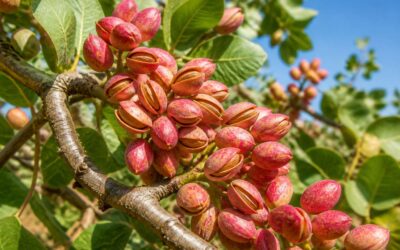
Sourcing in-shell pistachios begins with geography. The world’s primary growers, the United States, Iran, and Turkey, each offer a distinct pistachio nut with shell. California’s San Joaquin Valley dominates production, delivering a consistent, jumbo sized nut through advanced water management. Iranian varieties from Rafsanjan develop a rich, buttery taste under harsh desert sun, while Turkish specimens from Gaziantep carry a subtle smokiness from volcanic soils.
Here, sustainability shapes harvesting decisions:
- Growers rotate irrigation to reduce aquifer strain.
- Orchards use integrated pest management.
- Shells returned to orchards replenish soil minerals.
This regional interplay matters. A pistachio nut with shell from Kerman cracks differently than one from California, a fact buyers in South Africa encounter when comparing imports. Understanding these origins clarifies price differences, shelf life, and ultimately, the pleasure of cracking open a genuinely terroir driven snack.
The Journey from Orchard to Your Kitchen
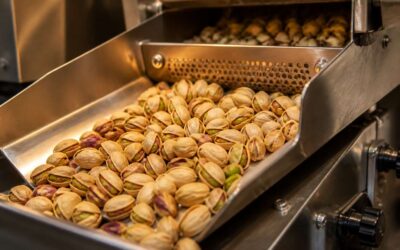
The pistachio nut with shell you crack tonight left an orchard months ago. South African importers source from California, Iran, and Turkey, where growers dry the nuts to exact moisture levels. That precision prevents mold during the ocean crossing. A shipment that travels well arrives with its flavor intact.
Sustainability shapes each stage:
- Orchards recycle wastewater through drip lines.
- Hulls become compost for the next season.
- Solar panels power the sorting sheds.
Once the pistachio nut with shell lands in Durban or Cape Town, graders check shell split and kernel size. The shell stays closed until you crack it. That natural seal protects the kernel from humidity and taint. From orchard to your kitchen, each batch reflects deliberate stewardship across continents.
Fair Trade Practices and Ethical Farming
Behind every pistachio nut with shell are the hands that picked, dried, and graded it. In the orchards of Iran, Turkey, and California, those hands often work for wages far below the value they create. Fair trade certification changes that arrangement. It guarantees minimum payments, independent audits, and enforced safety standards.
Ethical farming also means protecting the land itself. Water rights, crop rotation, and a hard ban on child labor define responsible producers. A pistachio nut with shell from a certified cooperative carries that accountability in its flavor.
- Fair trade premiums fund schools and clinics near the orchards.
- Auditors visit farms unannounced to verify working conditions.
I have stood in orchards where the difference is visible. One farmer pays a living wage and composts every hull. Another skips the audits, and the husks show the neglect! The labels rarely reveal the gap. Your choice does.
How to Support Sustainable and Eco-Friendly Pistachio Brands
That choice extends beyond labor into logistics. Importing a pistachio nut with shell to South Africa carries a measurable carbon cost. Sustainable sourcing demands transparency about the orchard’s water table and the vessel’s route. I have switched to brands that disclose their shipping partners and packing methods.
Support begins with verification. Look for soil health protocols and dry farming techniques over heavy irrigation. Some producers use solar power at their grading facilities. Others still rely on diesel generators for the same task.
- Inspect the country’s water scarcity index.
- Confirm the hulls return to the soil as compost.
- Choose brands that offset their ocean freight.
These actions sound obscure, but they define resilience. A pistachio nut with shell grown under water stress tastes thin! The eco-friendly brands in my pantry are the ones that publish their farm audits, not just their marketing brochures.


0 Comments