The Botanical Identity of Pistachio
Exploring the Plant Family and Genus
The pistachio nut or bean belongs to the Anacardiaceae family, often called the cashew family. This group includes mangoes and poison ivy, yet Pistacia vera stands alone as the only commercially valuable species in its genus.
Here are its botanical markers:
- It is a drupe, not a true nut, with the kernel nested inside a hard endocarp.
- The tree is dioecious, meaning male and female flowers grow on separate trees.
- Its natural shell splitting occurs only when the seed is fully ripe.
For South African farmers, this identity matters! I have seen how the pistachio nut or bean demands winter chill and dry summer heat, conditions found in parts of the Northern Cape. The genus Pistacia contains twelve species, but only vera produces large, edible kernels. Recognizing this classification helps avoid confusion with other nuts or beans in the market.
Understanding the Fruit Structure: Drupe, Nut, or Seed?
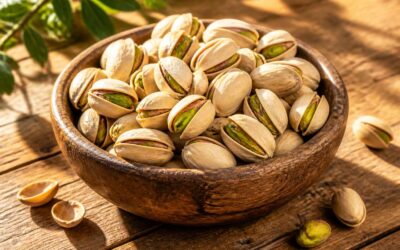
When you crack open a pistachio nut or bean, you are handling a drupe, not a botanical nut. The green kernel inside is the seed, wrapped in a hard endocarp that is often mistaken for a shell. This structure groups it with drupes like peaches, not with true nuts like acorns, even though the trade calls it a nut.
Here is how the layers break down:
- The fleshy outer hull, or epicarp, which dries and splits at maturity.
- The woody inner layer, the endocarp, which protects the seed.
- The kernel itself, the edible seed, which stores the energy.
I find this distinction especially relevant for South African growers! The split in the shell signals that the seed has fully ripened. For the farmer, that split means the pistachio nut or bean is ready for processing, nothing more.
The Scientific Classification vs. Common Culinary Labels
Over 70% of pistachios are sold as snacks, yet the pistachio nut or bean rarely appears on labels with any botanical accuracy. The scientific classification, Pistacia vera, follows rigorous morphological rules, a detail that never surfaces in a supermarket aisle. Culinary labels like “nut” or “bean” stem from texture and shape, not from plant anatomy!
This divergence between science and commerce creates practical headaches. A South African importer reading “pistachio nut or bean” might assume a legume, while a chef using the same phrase expects a hard shell. Neither matches the actual fruit, but the terms persist because they are convenient for quick communication.
- Nut implies a woody shell that cracks cleanly.
- Bean suggests a soft pod and high protein.
Both labels mislead, yet they anchor consumer expectations in a crowded market. The botanical identity remains stable, even when language drifts toward simplicity.
Why People Ask: Is a Pistachio a Nut or a Bean?
A shopper in Johannesburg faces a real puzzle at the till: is a pistachio nut or bean? The shell suggests a nut, but the plant’s anatomy says otherwise. The pistachio is a drupe. Its fleshy outer layer dries and falls away, leaving the hard shell that holds the edible seed.
Why does the question persist? Packaging and import documents use “pistachio nut or bean” without precision. A bean is a legume pod, which the pistachio is not. A true nut, like a chestnut, keeps its seed locked in a hard ovary. The pistachio splits open on its own at maturity, a feature that excludes it from both labels.
The botanical record settles the matter with a few plain facts:
- The edible portion is a seed, not the fruit itself.
- The shell develops from a dried fruit layer.
- True nuts do not open to release their seed.
Culinary Perspectives on Pistachio
Popular Uses in Sweet and Savory Dishes
In South African kitchens, the pistachio nut or bean moves beyond simple snacking. Its delicate sweetness and distinct resinous undertone transform both sweet and savoury plates. I have seen it ground into a fine meal for crusting Karoo lamb, adding a crunchy, earthy finish. It also elevates classic desserts, lending its emerald hue to rich cheesecakes or a modern version of malva pudding.
- Crushed and folded into feta for a pastry filling
- Blended with coriander and cumin for a local dukkah
- Chopped over roasted butternut for texture
The versatility is remarkable. Chefs toast it to intensify flavour, or use it raw for a fresh, grassy note. The botanical classification of the pistachio nut or bean rarely matters when the taste is this compelling. It performs equally well with chocolate or with harissa.
Pistachio in Traditional Global Cuisines
Across the Middle East, the pistachio nut or bean commands reverence in pastry kitchens. Persian bazaars overflow with emerald kernels destined for baklava and gaz, the ancient nougat that has sweetened celebrations since the Safavid era. Turkish confectioners roast them over low flames before folding into lokum, where the resinous bite cuts through rosewater syrup. Indian chefs grind the pistachio nut or bean into cream for kulfi, then stud the frozen dessert with coarse chunks that crackle between the teeth.
Eastern Mediterranean kitchens pair it with lamb to temper gamey richness, while Sicilians crush it into pesto for pasta and fold it into mortadella. I once watched a Lebanese cook layer crushed kernels through a lamb rice pilaf, the pistachio oil scenting every grain. The diversity is striking. Some kitchens prize its buttery crush, others its audible snap, and the kernel delivers on both counts!
Processing and Shelled vs. Unshelled Forms
Processing transforms the pistachio nut or bean into two distinct culinary tools. The unshelled form offers a slow snacking ritual. The shell protects the kernel from oxidation, keeping oils fresh for months. Roasters apply dry heat that cracks the shell, releasing aromatics far more intense than raw kernels achieve.
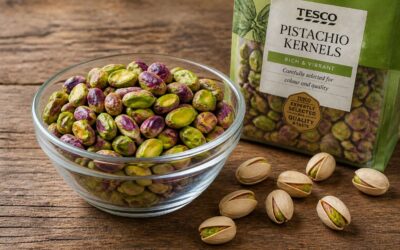
Shelled kernels expose the emerald interior to air. Once the pistachio nut or bean is removed from the shell, the window of peak flavour narrows. Oxidation dulls the colour and softens the crunch. Many South African chefs shell only at the moment of use, and the difference is audible.
Common processing choices:
- Dry roasting without oil, preserving resinous tone
- Salt brining before roasting, which penetrates the shell
- Mechanical shelling for commercial kitchens
Unshelled pistachios reward patience, and I have come to respect that. Shelled kernels belong in a hot pan, where the oils bloom within seconds. The distinction lies in the timing of the crack!
Pairing Flavors: Spices, Herbs, and Other Ingredients
Roasting brings out the resinous character of the pistachio nut or bean, yet the true craft lies in what you choose to surround it with. In South African kitchens, I have seen chefs pair the kernel with smoked paprika and orange zest, a combination that respects its natural bitterness. The pistachio responds to restraint; bold spices can overwhelm its quiet perfume. Consider these pairings that work without dominating:
- Fresh mint and white pepper for a cold grain salad
- Ground coriander and lime leaf for a braised lamb rub
- Honey and rose water for a pastry filling
The herb tarragon brings an anise note that mirrors the kernel’s own sweetness. A pinch of sumac brightens the oils, while toasted cumin adds a savoury depth that lingers. The pistachio nut or bean rewards experimentation, but only when the supporting flavours stay in conversation, not competition.
The Role of Pistachio in Snack Foods and Desserts
Across South African supermarkets, the pistachio nut or bean appears in brittle, gelato, and savoury granola. This kernel has moved beyond simple bar snacks into a versatile player in confectionery and quick bites. I have tasted roasted pistachios folded into dark chocolate, where the salt cuts through the sweetness. The snack industry now crafts single serve packets with smoked chilli, appealing to consumers who want protein.
For desserts, the pistachio nut or bean lends a buttery texture to nougat and baklava. Its natural oils allow bakers to reduce added fats. Consider these popular applications:
- Coated in honey and sea salt for a brittle
- Ground into a paste for macarons
- Sprinkled over rose ice cream
The subtle bitterness of the kernel balances sugary syrups. In Cape Town, I have seen pastry chefs pair it with cardamom and white chocolate. This versatility ensures its place in modern snack aisles and dessert menus.
Nutritional Profile and Health Benefits
Macronutrient Breakdown: Fats, Proteins, and Carbohydrates
Forget the botanical debate, the pistachio nut or bean offers a macronutrient profile that rivals any true nut. A 28 gram serving contains roughly 13 grams of fat, mostly monounsaturated and polyunsaturated varieties. That fat supports heart health, while 6 grams of protein make it a plant based powerhouse. Carbohydrates sit near 8 grams, with 3 grams of fiber, keeping your energy steady throughout the day.
The protein in a pistachio nut or bean delivers all nine essential amino acids, a rarity among plant foods. I find this compelling because most similar snacks fall short. The fat composition contributes to satiety, which can help with mindful eating. Meanwhile, the carbohydrate fraction has a low glycaemic index, so blood sugar levels remain controlled. This trio works together, offering more than mere calories and making every handful a smart choice.
Vitamins and Minerals in Pistachio Kernels
Beneath the faintly scarlet shell of the pistachio nut or bean, a precise assembly of minerals exists. Potassium steadies the heart’s rhythm, while phosphorus supports bone density. The kernel also provides copper for cellular energy and zinc for the immune system.
Vitamin B6 here fuels healthy brain function. Lutein and zeaxanthin, rare in snacks, shield the retina from harsh sunlight. These compounds help prevent oxidative damage to tissues. The virtues of this savoury morsel include:
- Magnesium for muscle recovery after long days
- Manganese for essential enzyme reactions
- Folate for the renewal of red blood cells
I find that a handful of this kernel offers more than simple fuel. It supports nervous system health and helps the body maintain daily function. The pistachio nut or bean deserves a place in any South African pantry.
Antioxidant Properties and Bioactive Compounds
The pistachio nut or bean carries a dense antioxidant load within its green flesh. Bioactive compounds such as anthocyanins and tocopherols neutralise free radicals that accumulate from urban pollution and sun exposure. The kernel’s fat-soluble nutrients work alongside vitamin E to protect cellular membranes against daily wear.
Polyphenols present in the outer skin of the pistachio nut or bean survive processing when the shells remain intact. These compounds support arterial flexibility and reduce low-grade inflammation. The protein profile includes all nine essential amino acids, which is uncommon in snack foods.
- Arginine enhances blood vessel dilation, easing circulation in older adults
- Resveratrol slows cellular ageing processes within muscle tissue
- Phytosterols compete with dietary cholesterol for absorption in the gut
Each serving delivers these protective agents without added sugars or preservatives. For a South African diet heavy in braaied meats, this kernel provides a vegetable-based counterbalance that supports heart function through ordinary daily habits.
Potential Health Impacts: Heart Health, Blood Sugar, and Weight Management
Around 75% of the fat found in the pistachio nut or bean is the monounsaturated and polyunsaturated kind. This lipid profile supports healthy cholesterol ratios, as phytosterols within the kernel work to block the absorption of dietary cholesterol. For those who enjoy a daily wors roll or a braai on the weekend, this makes the green kernel a savvy addition to a high meat diet. The presence of oleic acid and linoleic acid is linked to lower risk of cardiovascular events.
Blood sugar regulation benefits from the pistachio’s unique architecture. The protein and fibre content slows gastric emptying, which tempers the post meal glucose spike. A small handful before a starchy meal can help flatten the glycaemic response. This property is particularly significant given the rising rates of type 2 diabetes in South African communities. The nut’s healthy fats also maintain cell sensitivity to insulin.
– The kernel offers sustained satiety with roughly 160 calories per 49 gram portion.
– It provides potassium and vitamin B6, which support metabolic function and nerve health.
– Its plant sterol content supports a healthy lipid profile.
Weight management is an area where the pistachio nut or bean earns its reputation. The act of shelling serves as a natural pause, slowing consumption and increasing mindful eating. Satiety signals are triggered by both the volume of food and the chewing effort required. This leads to a natural reduction in overall energy intake without the feeling of deprivation. People can enjoy a generous portion for a modest calorie cost, which is a rarity in the snack world.
Cultivation, Harvest, and Commercial Significance
Growing Regions and Climate Requirements
Pistachio trees take seven years to produce a marketable crop, and a single tree can yield nuts for over a century. Cultivation demands a precise climate: cold winters to break dormancy and hot, dry summers to ripen the kernels. Humidity and wet soils are fatal.
The world’s commercial pistachio nut or bean production centers on Iran, the United States, and Turkey. South Africa’s Northern Cape offers similar conditions, particularly with irrigation. Growers monitor spring frosts closely, as a single cold snap can destroy the season.
- Annual rainfall below 400 mm is ideal
- Deep sandy loam allows root penetration
- Temperature swings between seasons trigger flowering
Harvest occurs when the hulls split naturally, a sign of maturity. Mechanical shakers collect the cones, then rapid processing prevents mold. Because split nuts command higher prices, the pistachio nut or bean carries commercial value that hinges on that simple crack.
Global Production and Leading Exporters
Cultivating a pistachio nut or bean demands patient stewardship. I have seen farmers rely on drip irrigation to conserve water, pruning trees to balance vegetative growth with kernel production. Harvest begins when hulls split, a signal that the pistachio nut or bean has reached peak maturity. Mechanical shakers dislodge the clusters, and trucks rush them to processing facilities within hours to prevent aflatoxin.
Commercial significance rests on global reach. Iran, the United States, and Turkey dominate export volumes, but rankings shift yearly. Consider:
- Iran leads in traditional varieties
- United States excels in mechanized efficiency
- Turkey focuses on flavored and roasted exports
These channels shape world prices, and emerging growers in South Africa are proving competitive. The stakes are real, and a single interrupted cold chain destroys value!
Economic Importance and Market Trends
Cultivation demands precise soil pH and chill hours. The pistachio nut or bean thrives in long, hot summers and cool winters. South African growers in the Northern Cape are testing rootstocks for marginal conditions. Water stress at the right moment improves kernel quality, so irrigation schedules are calibrated per block.
Harvest timing is critical. Hulls split at maturity, and mechanical shakers work fast. I have watched crews race the clock; the crop must reach the processor within hours, or moisture triggers aflatoxin risk.
Commercial significance follows these logistics. Market trends show rising demand in snack blends and bakery lines, and prices track supply shocks from Iran and California. Forward contracts matter now more than ever!
Consider how value moves through the chain:
– Orchard gate prices reflect kernel size
– Processors capture margin through sorting technology
– Exporters hedge against currency swings
South Africa imports most of its pistachio nut or bean supply, but local trials could shift that balance.
Sustainability and Environmental Considerations
In the Northern Cape, every drop of irrigation tells a story. Pistachio orchards demand precise water management, yet growers who ease off at the right moment see better kernel quality. That balance between drought stress and tree health defines sustainable cultivation here.
Harvest crews work in a blur. Mechanical shakers move through rows, and hulls must reach processing within hours. Waste from these operations, from shells to rejected kernels, now feeds composting trials or biomass energy projects.
Commercial value depends on this environmental care. Buyers increasingly ask for water footprint data, and South African trials are testing rootstocks that use less. The pistachio nut or bean thrives when growers treat soil as an asset.
- Cover crops reduce evaporation
- Drip lines cut water loss
- Predator insects replace pesticides
Local production remains small, but these practices could shift the import balance. The pistachio nut or bean rewards patience, both in the orchard and in the market.
How to Select and Store Pistachios for Maximum Freshness
Growers watch the hull crack open, the only reliable sign that a pistachio nut or bean is ready. Harvest crews use mechanical shakers, then rush the crop to processing within hours. Commercial value depends on that speed, because delayed hulling darkens the kernel.
Selection follows the same logic. A fresh pistachio nut or bean has a clean, slightly opened shell. Kernels should show a green tint and a crisp bite. Always check the seal on packaged options.
- Refrigerate in an airtight jar
- Freeze for storage beyond six months
Exposure to air turns the oils rancid. Buy in small batches and store away from direct light.
Common Misconceptions and Curious Facts
The Debate Over Nut Allergies and Pistachio Consumption
The pistachio nut or bean debate takes a serious turn when allergies enter the picture. Many people mistakenly believe pistachios are legumes, similar to peanuts. They are tree nuts, though botanically they are drupes. This classification matters for allergy testing. Curious fact: pistachios share allergenic proteins with cashews and mangoes. Some common misconceptions about consumption include:
- Roasting removes allergenic proteins.
- Eating small amounts builds tolerance.
- Only raw pistachios trigger reactions.
All three are false. Heat does not destroy the proteins. Tolerance induction requires medical supervision. Individual reactions vary, so general advice is risky. The debate over pistachio consumption and allergies should rely on clinical evidence, not internet speculation.
Why Some People Classify Pistachio as a Legume
A split shell fools many people. We see a seam and think “pod.” That is how the pistachio nut or bean mix-up begins. The fruit splits open at maturity, like a legume’s dry pod. But look closer. The husk is fleshy, and the shell is a hard stone. That structure defines a drupe, not a legume.
Curious facts add to the confusion. The kernel’s green hue resembles a fresh pea. Some farmers call the outer covering a hull. Botanists call it an exocarp. The plant belongs to the Anacardiaceae family, alongside cashews and mangoes. It shares no botanical ties with beans, lentils, or groundnuts.
- The shell’s natural split mimics a pea pod.
- The green kernel looks like a legume seed.
- The pistachio nut or bean confusion often stems from these visual cues alone.
Historical Uses and Cultural Symbolism
For centuries, Persian royalty guarded pistachio groves as symbols of wealth. Legend says the Queen of Sheba hoarded every harvest, and Nebuchadnezzar planted them in Babylon’s hanging gardens. In China, the split shell earned the name “happy nut,” an omen of good fortune. The pistachio nut or bean confusion never dimmed its cultural glow.
One curious misconception involves red shells. Mid-century American vendors dyed pistachios to hide stains from poor harvesting. Buyers assumed the colour was natural. I still picture that red-dusted pile at old corner shops! Plenty of people connect that artificial tint with the pistachio nut or bean, even though modern crops are undyed.
- Ancient Greeks called them “pistakia,” a term that puzzled scholars for centuries.
- Turkish tradition ties pistachios to wedding proposals and romance.
- Syrian Aleppo craftsmen turned pistachio paste into prized sweets.
Interesting Trivia: Color, Smoke, and the Word Etymology
The red shell was a fabrication. Mid-century merchants dyed pistachios crimson to mask stains from defective harvesting. That artificial tint fooled generations into thinking the pistachio nut or bean naturally wore that hue. Modern crops arrive plain, yet the memory lingers!
Smoke enters through old roasting methods. Charcoal fires imparted a faint smoky note, convincing some buyers the kernels had been smoked. They believe the pistachio nut or bean requires smoking, but it is simply a heat process.
Etymology adds another twist. The name traces to Persian “pisteh,” passing through Greek “pistakion.” Scholars once debated whether that referred to a tree or a nut. The confusion persists today. Here are the core falsehoods:
- Red dye is natural or healthful.
- Smoking is a required step.
- “Pistachio” means “bean” in any language.


0 Comments